
08.08.2026
Comforting Connection in Therapy
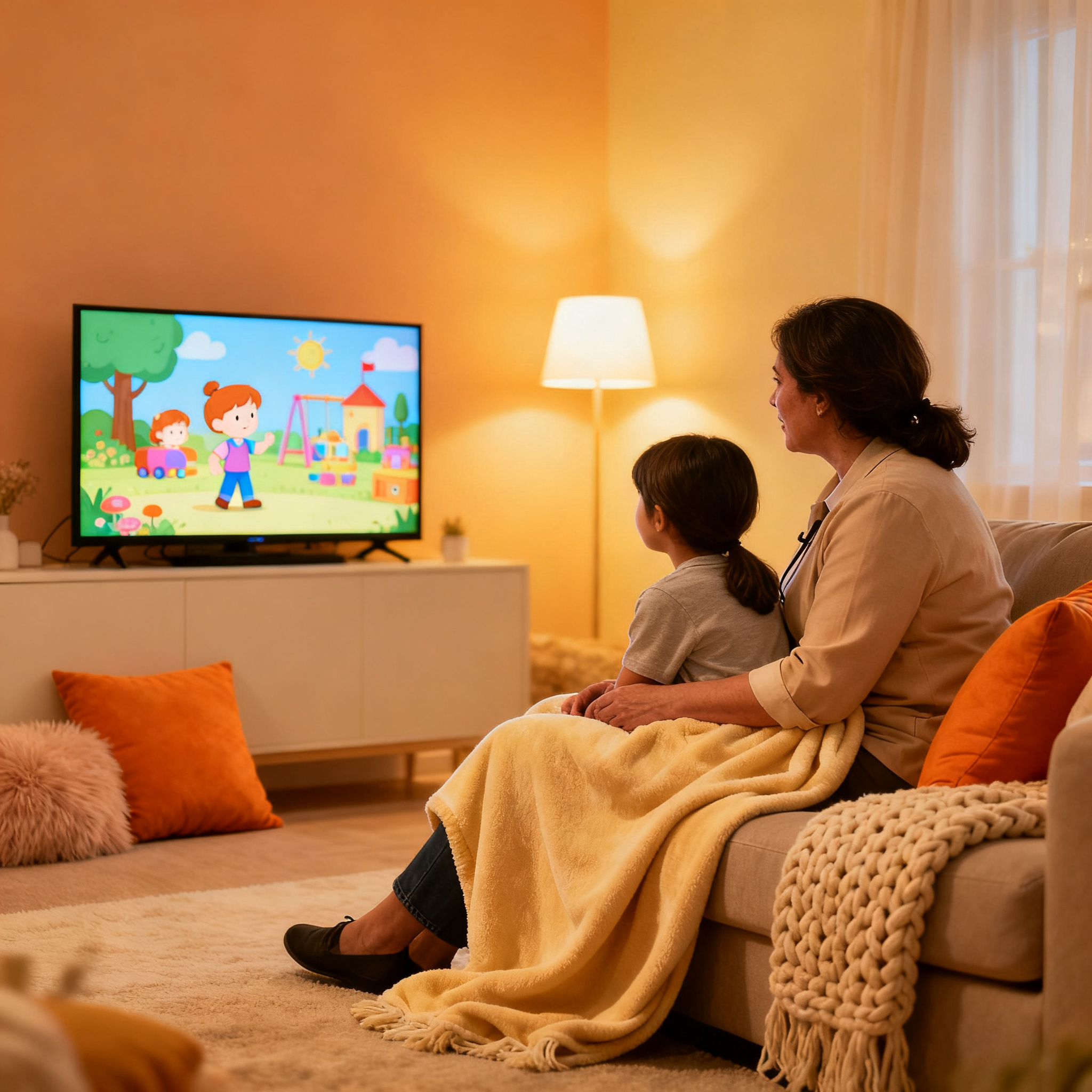
In a therapy session w therapist. We were both on a couch, watching TV together. Cartoons or a kids type show. We were sharing a blanket. Not cuddling, but somewhat intertwined in a way that was very comfortable/familiar with each other. Not sexual at all. Familiar, but not therapist/patient appropriate. Our upper bodies were on opposite sides of the couch, but our legs were touching/draping over each other's. I had the she that she was "bigger" than me: an adult, very like a mother. I wasn't a child, but I felt very childlike. I felt very mothered. I was aware of our physical closeness. I was concerned that it wasn't appropriate to be so close or that it would bother her. But she seemed comfortable and unbothered. I was surprised at how comfortable I was in that situation. I became concerned that I wasn't talking much or sharing anything in our session. She told me not to worry. She said "we have our things that we pay attention to and notice about you that tell us how you're doing. The way you say things, your pauses between words all tell us something." (Referring to "we" and "us" as professional analysts). When she told me this, i was looking up at her. Almost as if she had been holding me like a child when she spoke to me. I felt comforted by what she said - it made me feel like she could see me and she was paying attention to me even though our interaction was minimal.
This dream paints a vivid picture of your subconscious wrestling with themes of comfort, vulnerability, and the therapeutic relationship. Below is an interpretation of its possible meanings:
-
Seeking Comfort and Nurturing:
- The image of sharing a blanket and watching cartoons suggests a longing for comfort and a return to a simpler, more carefree state of mind. This dream potentially indicates a desire to feel nurtured and cared for, similar to a child feeling secure in the presence of a comforting adult figure.
-
Role of the Therapist:
- The dream positions your therapist in a maternal role, emphasizing a supportive and reassuring presence. This may reflect your appreciation for the non-judgmental, empathetic nature of your therapeutic relationship.
- Her larger, mother-like stature in the dream could symbolize her perceived experience, authority, and the care she provides in a professional capacity—suggesting you view her as someone who understands and cares for you deeply.
-
Touch and Boundaries:
- The intertwining of your legs signifies intimacy and familiarity but not in a romantic or sexual sense. It represents a deeper connection, trust, and comfort level with your therapist. It might highlight your inner conflict about boundaries and how close you are allowed to feel to someone who's there to help you professionally.
- Your awareness and concern about appropriateness may signify your consciousness about maintaining professional boundaries despite feeling naturally close to someone who's significantly helping you.
-
Communication and Non-Verbal Cues:
- Your worry about not talking much or sharing in the session suggests concerns about communication effectiveness. However, the assurance from the therapist that they notice other cues (like pauses and expressions) implies that effective therapy doesn't always require verbal communication—experts can read between the lines and still understand you deeply.
- Feeling seen and understood even without extensive verbal interaction underscores a sense of validation and acceptance within the therapeutic relationship.
-
Childlike Feeling:
- The dream encapsulates you feeling childlike, which can signify vulnerability, openness to learning, and innocence in the therapeutic context. It's indicative of a safe space where you feel you can let your guard down and be open to receiving help.
Overall, this dream might be emphasizing your trust in the therapeutic process, your therapist's understanding of you beyond words, and a deep-rooted need for comfort and security as you navigate your emotional landscape. Your subconscious may be working through your feelings about the therapeutic relationship and your desire for empathy and understanding in a non-judgmental space.