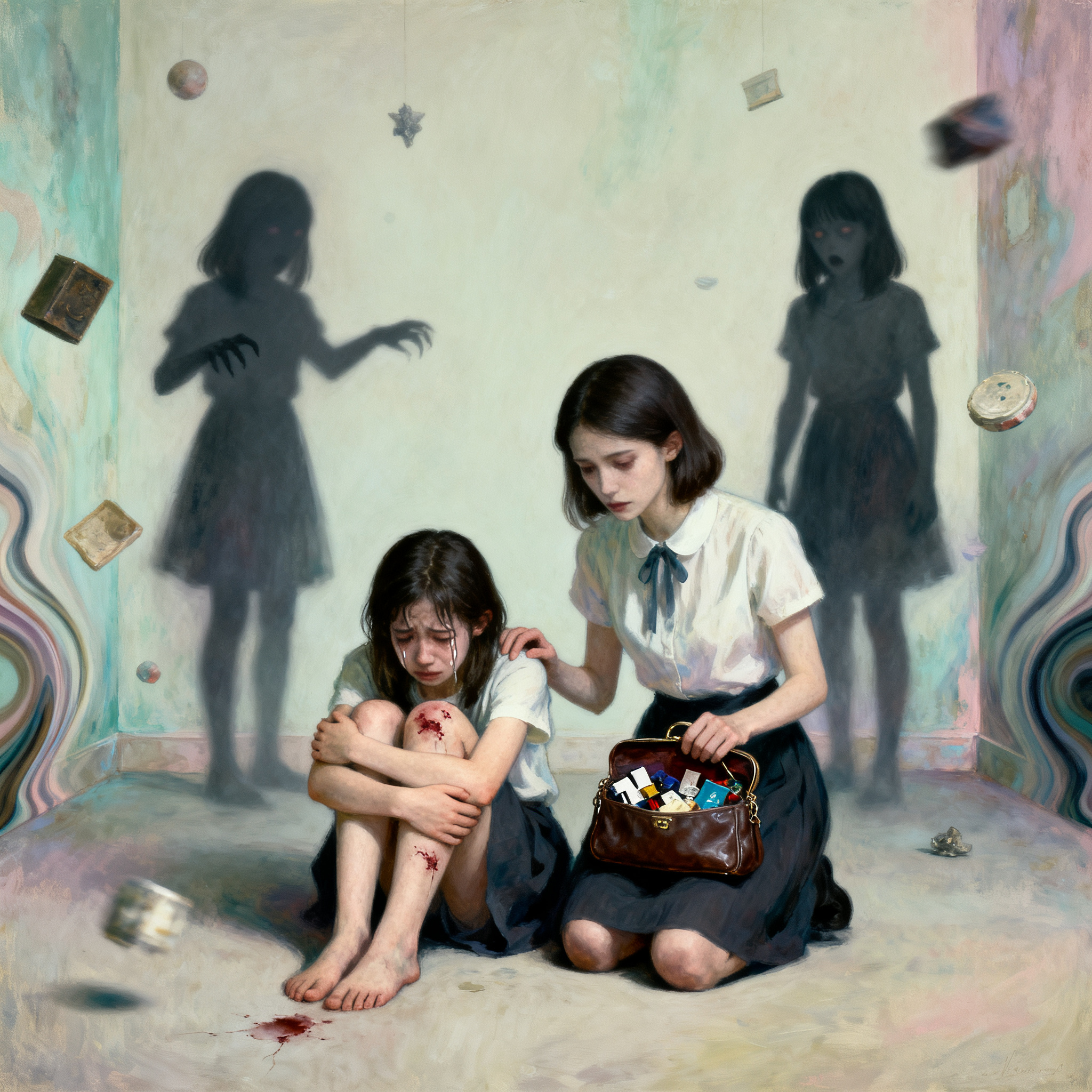
Dreaming of lucidity, often referred to as a "lucid dream," involves the dreamer becoming aware that they are dreaming while remaining within the dream state. This awareness can vary in degrees, from a fleeting recognition to a deep, conscious engagement with the dream environment.
Key Symbolism and Interpretations:
Awareness and Control: Lucid dreams symbolize heightened awareness and the potential for control over one's thoughts and experiences. This can reflect a desire to take charge of situations in waking life or a signal of personal empowerment.
Self-Exploration and Growth: Many view lucid dreams as opportunities for self-discovery and psychological insight. The ability to explore one's own mind in a state of lucidity may signify a journey towards self-awareness and enlightenment.
Problem-Solving: These dreams can represent the dreamer's capacity to tackle challenges, pointing to a situation where the dreamer is actively seeking solutions or trying to manage complex emotions or conflicts.
Rehearsal and Practice: Lucid dreaming can serve as a mental rehearsal space, where individuals address fears or practice skills, mirroring a need to improve or prepare for future scenarios in reality.
Escape and Fantasy: Lucid dreams may also serve as an escape from reality, offering a realm where desires and fantasies manifest without the constraints of the waking world. This can reflect a yearning for adventure or a break from routine.
Mindfulness and Meditation: The occurrence of lucidity in dreams can be related to practices of mindfulness and meditation, indicating an alignment with inner peace and focus, or an aspiration to reach such states.
Considerations for the Dreamer:
By analyzing the context and emotions experienced during lucid dreaming, one can gain insights into personal motivations, anxieties, and aspirations.