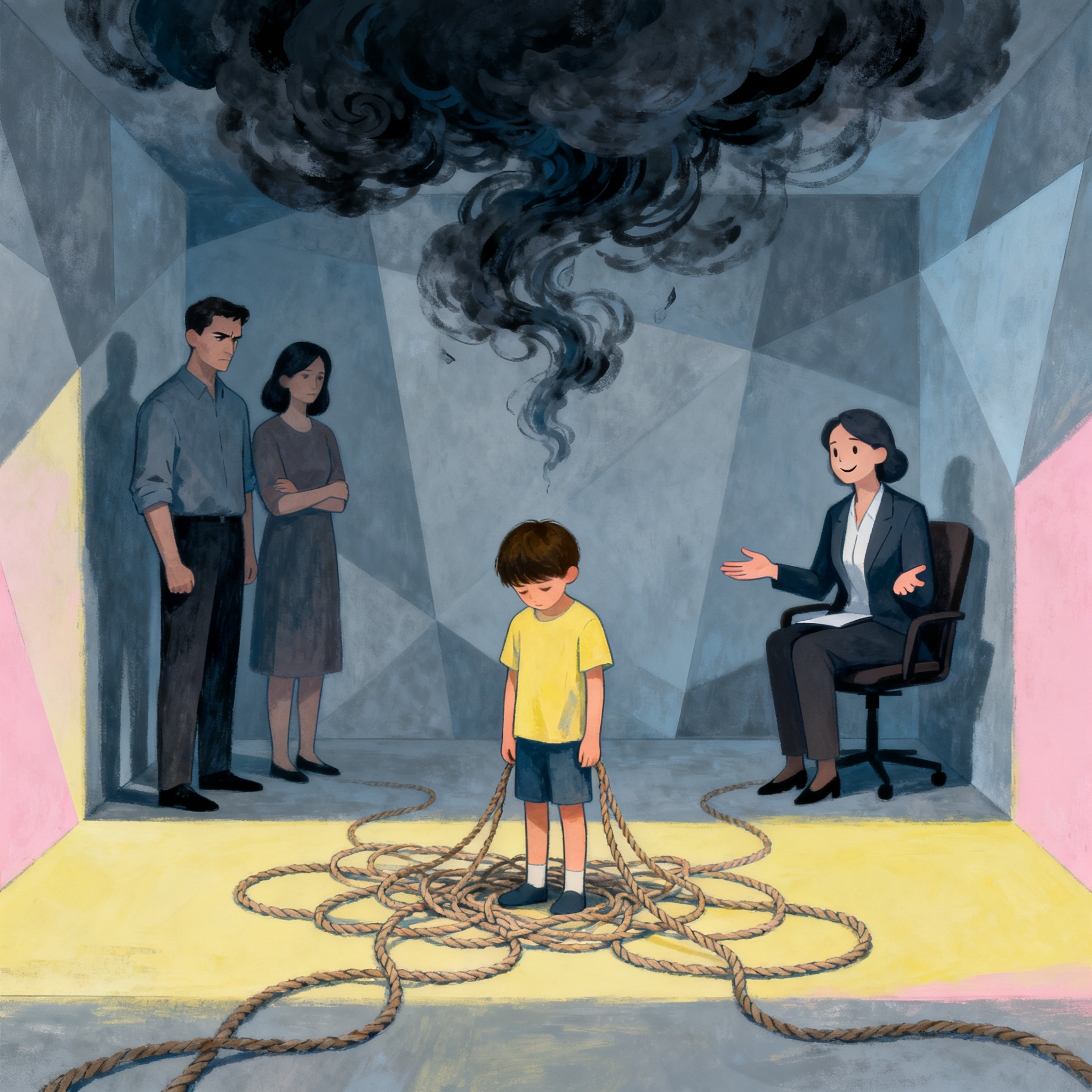
Dreams involving mental disorders can be deeply symbolic and often reflect the dreamer’s subconscious concerns about mental well-being, personal identity, or societal perceptions of mental health. These dreams may not necessarily indicate an actual disorder but can reveal the dreamer's anxiety about losing control, fear of judgment, or struggles with self-perception.
Key Themes and Interpretations:
Loss of Control: Dreams where the dreamer or someone else is experiencing symptoms of a mental disorder may symbolize a fear of losing control over one's own thoughts and actions. These dreams can be a manifestation of stress or overwhelming situations in waking life.
Inner Conflict: Such dreams might indicate a conflict between different aspects of the dreamer’s personality or desires. The presence of a mental disorder in a dream could represent a part of the self that feels neglected, misunderstood, or out of sync with the rest of the personality.
Fear of Stigmatization: If a dream focuses on societal reactions to a mental disorder, it may reflect the dreamer's concerns about being judged or mislabeled by others. This could be related to current life circumstances where one feels scrutinized or pressured to conform.
Empathy and Awareness: Dreams about mental disorders can also arise out of empathy for others dealing with such issues. They may represent a subconscious processing of information about someone in the dreamer’s life or an internal call to be more understanding and compassionate.
Sign of Transformation: Sometimes, these dreams indicate a significant transition or personal growth, where the 'mental disorder' symbolizes breaking away from old patterns of thinking. It often suggests that the dreamer is undergoing psychological changes and evolving into a new state of self-awareness.
Reflection and Action:
Understanding these dreams can play an important role in self-awareness and emotional health, encouraging reflection on personal anxieties and relationships with oneself and others.