
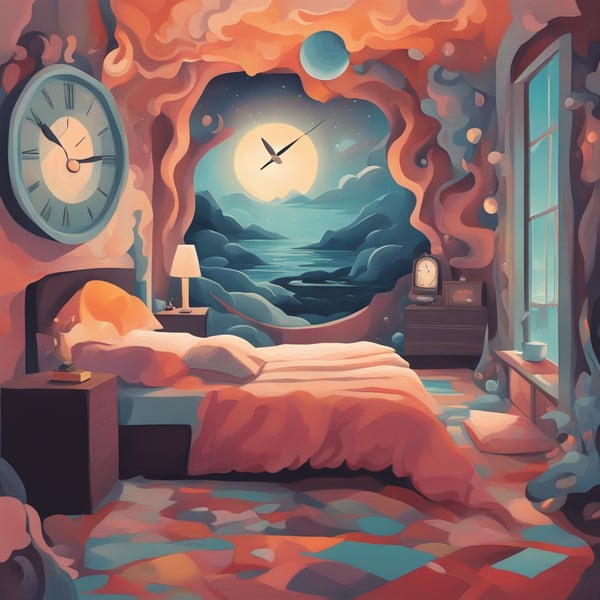
Trouble in Dreamland: The Mystery of Short Sleep Cycles
Символи сну
I always wake up after half an hour of sleeping why
Waking up after a short period of sleep, such as half an hour, can be quite frustrating and may indicate several underlying factors, both psychological and physiological. Dreams often act as a gateway to understanding our subconscious, and your experience may point to some deeper issues or concerns. Let’s explore some possible interpretations of this phenomenon:
-
Anxiety and Stress: This frequent interruption could be a manifestation of anxiety or stress. When our minds are preoccupied with worries or racing thoughts, it can prevent us from entering deeper sleep stages, resulting in waking up shortly after falling asleep. Your subconscious might be alerting you to unresolved issues or fears you need to address.
-
Restless Mind: If you find it hard to turn off your thoughts, this can impact the quality of your sleep. You might be dreaming about daily concerns or unfulfilled desires, which can cause your mind to stay active even in sleep. Consider keeping a journal to jot down these thoughts before bedtime.
-
Sleep Environment: Evaluate your sleeping environment. Discomfort, such as an uncomfortable mattress, noise, or light, may cause you to wake up frequently. Your dreams could be reflecting those discomforts, perhaps symbolizing aspects of your life that feel unsettled or out of balance.
-
Physical Issues: Sometimes, waking up after a short sleep can be related to physical conditions such as sleep apnea or other sleep disorders. These can disrupt your natural sleep cycle, making you more prone to waking up. If you suspect something like this, it may be beneficial to consult with a healthcare professional.
-
Lucid Dreaming: In some cases, waking up shortly after falling asleep can indicate that you are entering a lucid dreaming state. If you are aware of your dreams, it may enhance the clarity of your experiences, but it can also lead to waking up sooner than normal as your conscious mind interrupts the dream state.
-
Life Transitions: Sometimes, significant life changes or transitions can cause disruptions in sleep patterns. Your dreams might reflect these changes, symbolizing your feelings about new directions in your life. You may be processing emotions related to these transitions in a fragmented way that causes wakefulness.
Suggestions:
- Relaxation Techniques: Consider incorporating relaxation techniques, such as meditation or deep breathing, before bedtime to ease your mind and promote better sleep.
- Sleep Hygiene: Ensure that your sleep environment is conducive to restful sleep—comfortable bedding, a dark room, and a consistent sleep schedule can significantly impact your sleep quality.
- Consultation: If the disruptions persist and affect your daily life, consider consulting a sleep specialist or mental health professional to explore potential underlying causes.
Ultimately, understanding your unique dream patterns and sleep disturbances can be a powerful tool in addressing your overall well-being and mental health.
Що вам наснилося?
Інтерпретувати сон